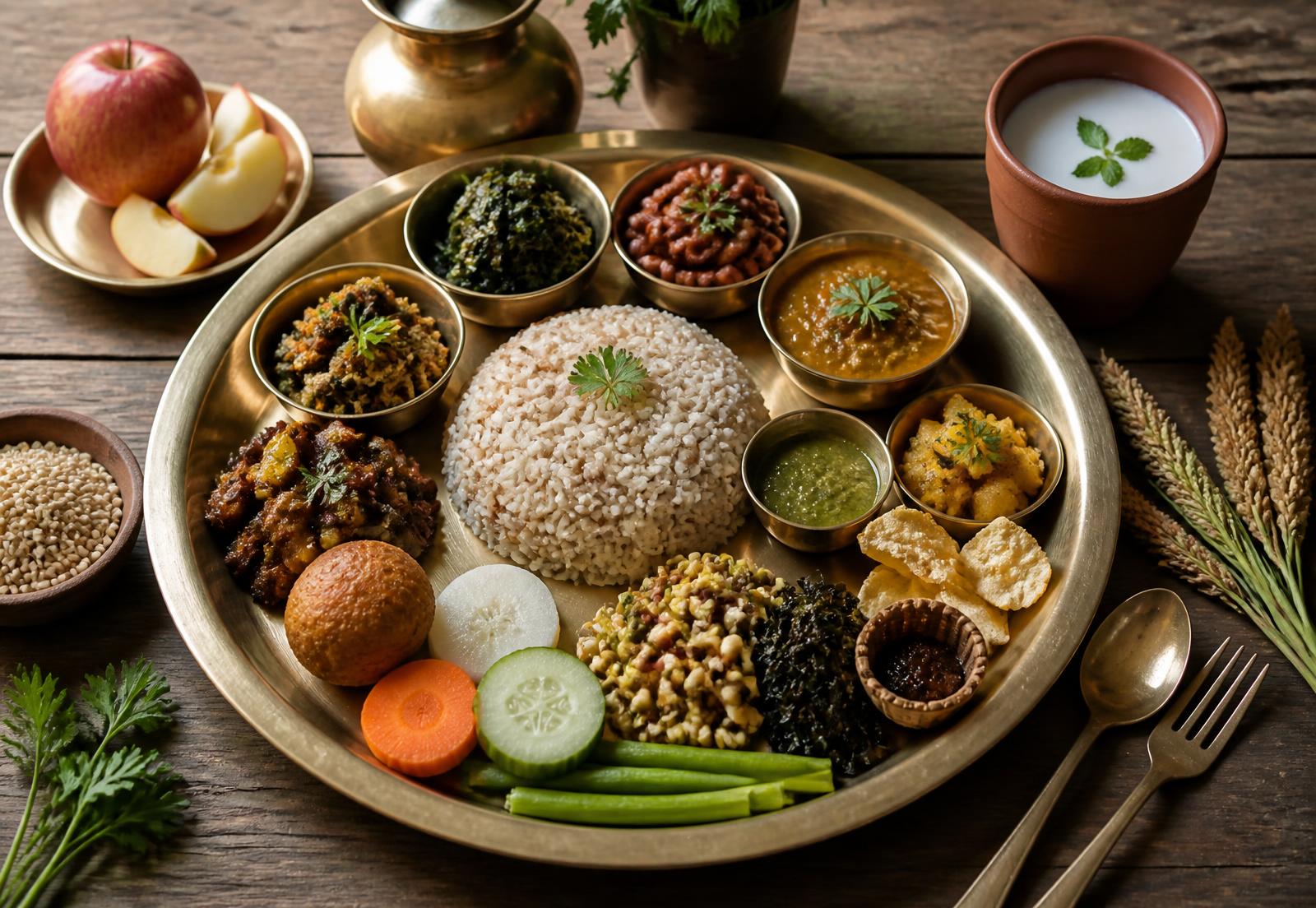
Organic farming is one approach to growing food with attention to soil health, biodiversity and careful use of natural resources. It can help people think more closely about where food comes from, but the healthiest meal is still one built from safe, varied and nourishing ingredients—whether food is labelled organic or not.
What Organic Farming Focuses On
Organic systems commonly use composting, crop rotation, mulching and biological pest management. These methods aim to support soil structure and reduce reliance on synthetic inputs. Farming methods vary by place, climate, crop and local certification rules.
Choose Seasonal Food
Seasonal vegetables and fruit are often easier to find locally and can be delicious when eaten fresh. Visit trusted farmers, cooperatives or markets when possible. Choose produce that fits your household budget and availability.
From Harvest to a Safe Kitchen
- Wash hands before preparing food.
- Rinse fruit and vegetables under clean running water.
- Keep raw meat, poultry and fish separate from ready-to-eat foods.
- Cook foods thoroughly and refrigerate leftovers promptly.
- Reduce waste by planning meals and using vegetables before they spoil.
Build Better Everyday Meals
Fill your plate with vegetables, fruit, beans, lentils, whole grains and suitable protein sources. Limit heavily processed snacks and sugar-sweetened drinks. A simple dal, seasonal tarkari and whole grain meal can be nourishing, affordable and connected to local traditions.