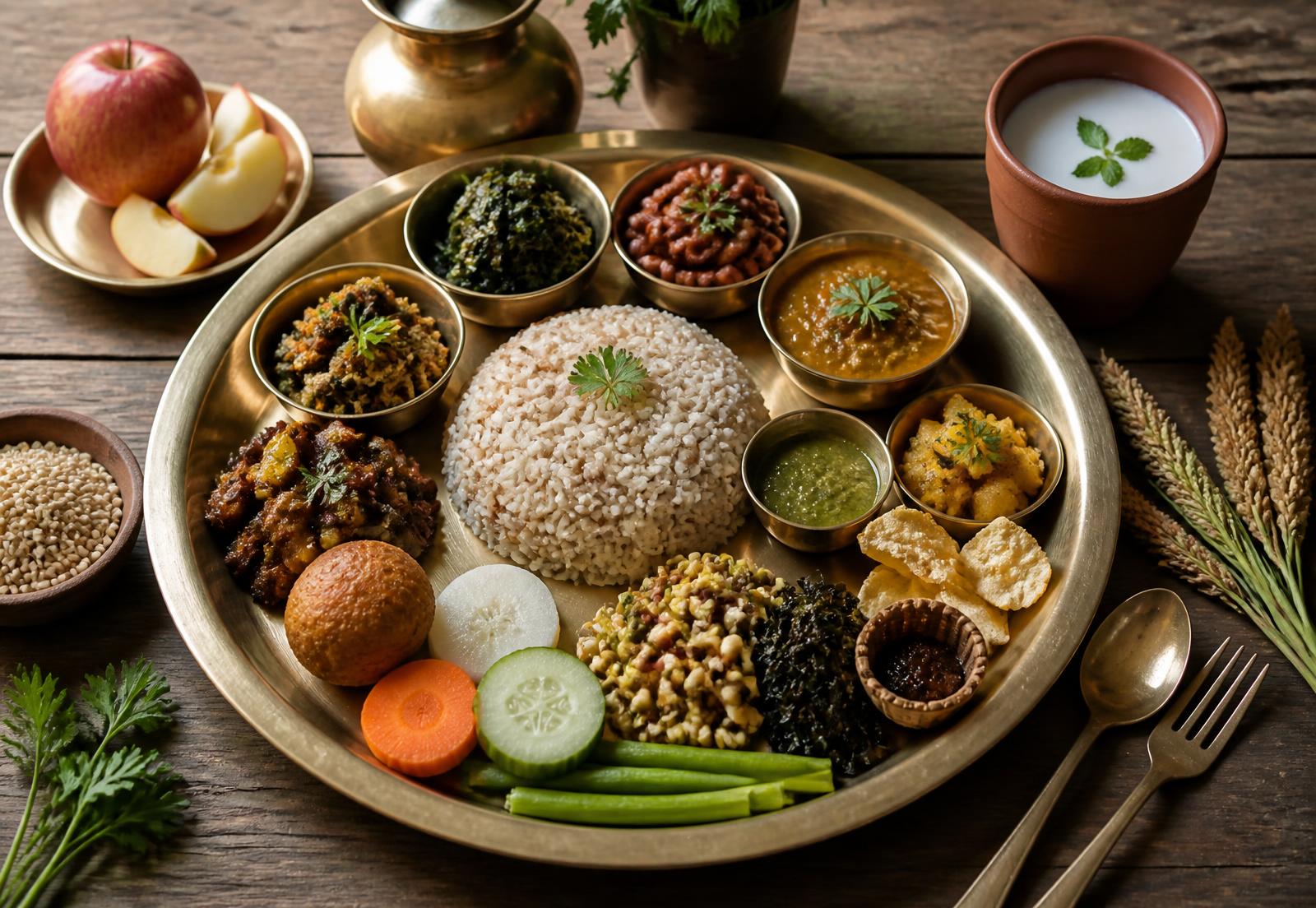
Barley and millet are traditional grains that can make everyday meals more filling, varied and fibre-rich. They are not magic weight-loss foods, but can be useful alternatives to refined grains when prepared as part of a balanced diet. Their nutty flavour works well with dal, vegetables, curd and beans.
Why Barley and Millet Are Worth Eating
Whole grains naturally provide carbohydrate for energy along with fibre and small amounts of protein, vitamins and minerals. Fibre can help meals feel satisfying and supports normal digestion. The nutrition of a meal still depends on the portion, cooking method and what you eat alongside it.
Easy Ways to Use Barley
Rinse barley, soak it if convenient, and cook it until tender. Try it in vegetable soup, khichdi, a warm breakfast porridge, or a grain salad with cucumber, tomato, lemon and herbs.
Easy Ways to Use Millet
Millet can be cooked as a soft porridge, used for roti, added to khichdi, or served in place of rice. For breakfast, cook millet with milk or a plant-based alternative, then add fruit, cinnamon, nuts or seeds.
Make the Meal Balanced
- Add protein such as dal, beans, curd, egg, fish, chicken or tofu.
- Include colourful vegetables for variety.
- Use moderate oil and avoid making meals overly salty or sugary.
- Increase fibre gradually and drink water if you are new to whole grains.
People with coeliac disease or medically diagnosed gluten sensitivity should avoid barley because it contains gluten.